Phil Maher · Founder of Stockfilm

The past has
a lot to say.

Real home movies. Unexpected experiments. A conversation your audience can see.

Invite Phil for a talk, conference appearance or interview about preserving everyday life on film, building Stockfilm, and what happens when that history meets AI.

Real film. Real lives.Stockfilm / Showreel
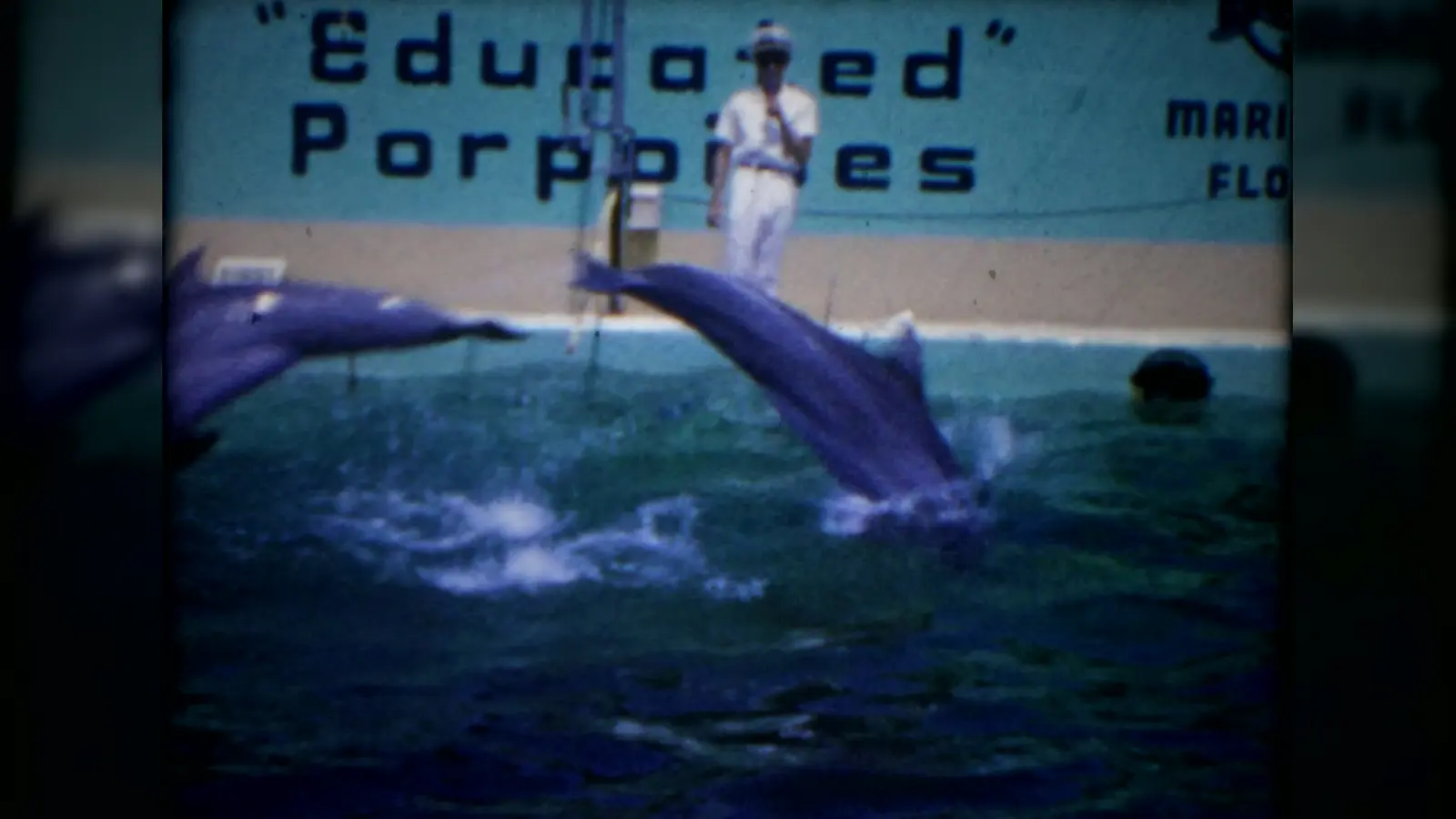
Dolphins leap from the water in a scene from the Stockfilm home-movie showreel
See the archive in motion. Family life, street scenes and small moments that survived on film.
Searchable home-movie clips
162,000+
Physical film reels preserved
1,600+
Decades of everyday life
1930s-1980s
Independent archive since
2015

Choose the format

On stage. In conversation.
On your next episode.

Start with your audience and a question worth asking. Build the appearance around the footage and projects that answer it.

01 / Speaking engagements

Put the footage on stage.

A talk built around real scenes, restoration comparisons and the stories behind the reels. Good for film schools, museums, creative teams and archive communities.

Illustrated talks · Guest lectures · Workshops

Give your audience a way to spot historical detail, question a restoration and use archival film with care.

Discuss a speaking engagement ↗
02 / Conference appearances

Bring a working archive into the room.

A keynote, panel or demonstration on film preservation, AI and authenticity, visual research, or building an independent archive. Match the angle to your program.

Keynotes · Panels · Fireside chats · Live demos

Make the discussion tangible with footage your audience can watch and experiments they can try.

Discuss a conference appearance ↗
03 / Podcasts & interviews

Start with a family reel. Follow the questions.

The founder story, the strange details that survive on home movies, the business of archival footage, and what AI changes about trust. Works for audio, video and editorial interviews.

Podcast conversations · Video interviews · Press features

Build an episode around a specific question, with clips and project links to explore afterward.

Invite Phil onto your show ↗

Eight ways into the conversation

Pick an angle.
See what comes with it.

Each topic has something to show: original footage, a moving comparison, a working experiment or evidence you can follow.

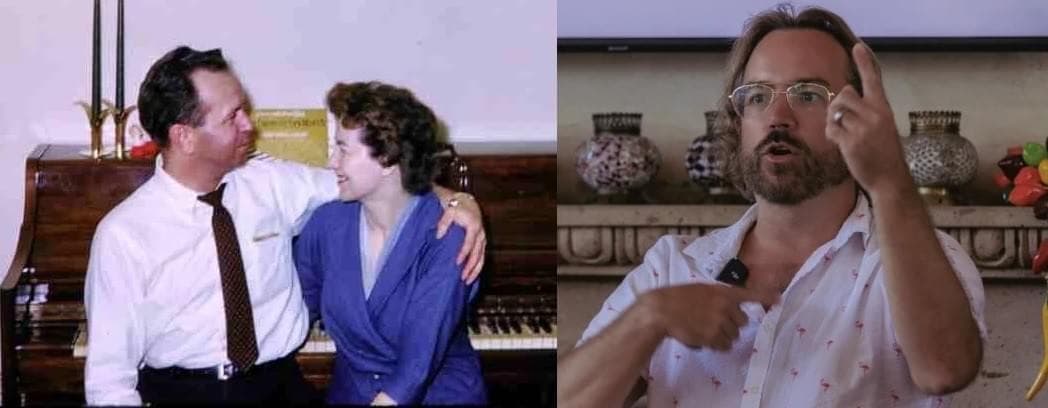
Phil Maher beside an archival image of his grandparents
Phil Maher and the family history behind Stockfilm.

01 / Memory, family & entrepreneurship

A grandfather’s home movies.
An archive of everyday life.

Phil started Stockfilm in 2015 after finding films his grandfather made around Chicago, on road trips and at family milestones. That first preservation job grew into an archive of 1,600+ physical reels and 162,000+ searchable clips.

The conversation: how a family project becomes a business, what it takes to rescue fragile film, and why a few seconds of ordinary life can matter decades later.

For founder podcasts, family-history audiences and creative entrepreneurs.

02 / Featured topic · AI restoration

A face comes into focus.
What did the model invent?

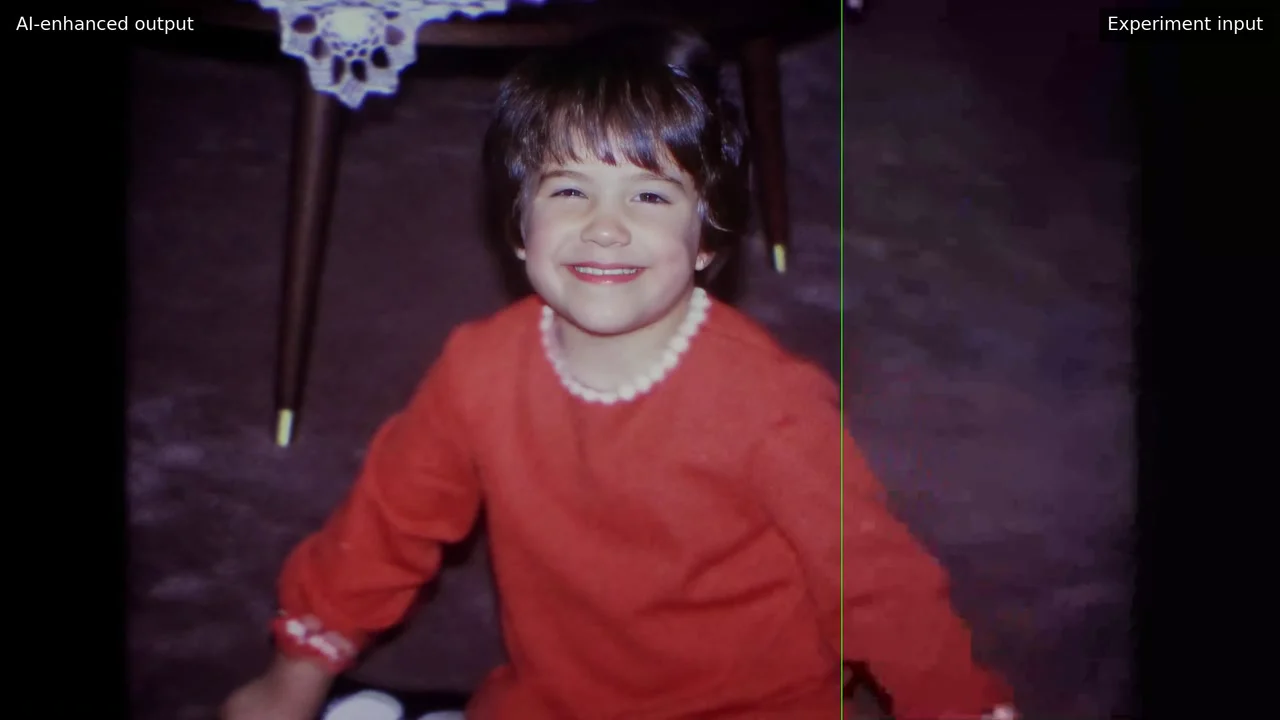
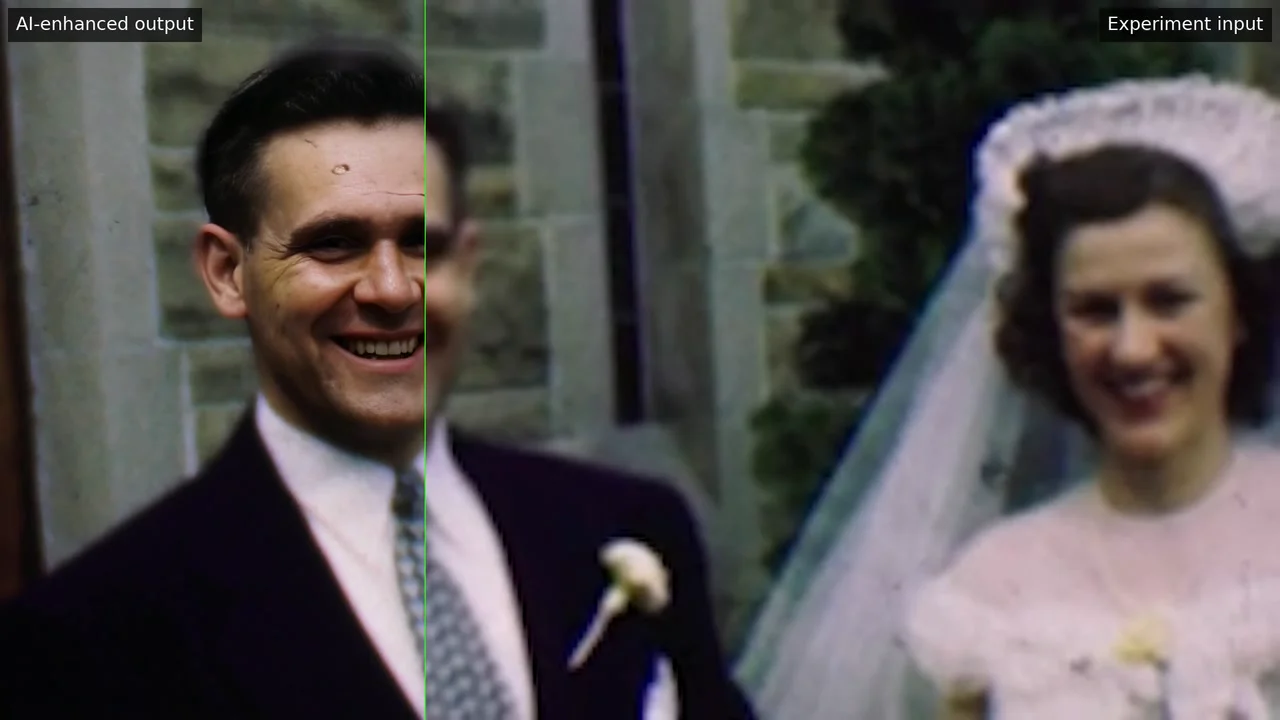
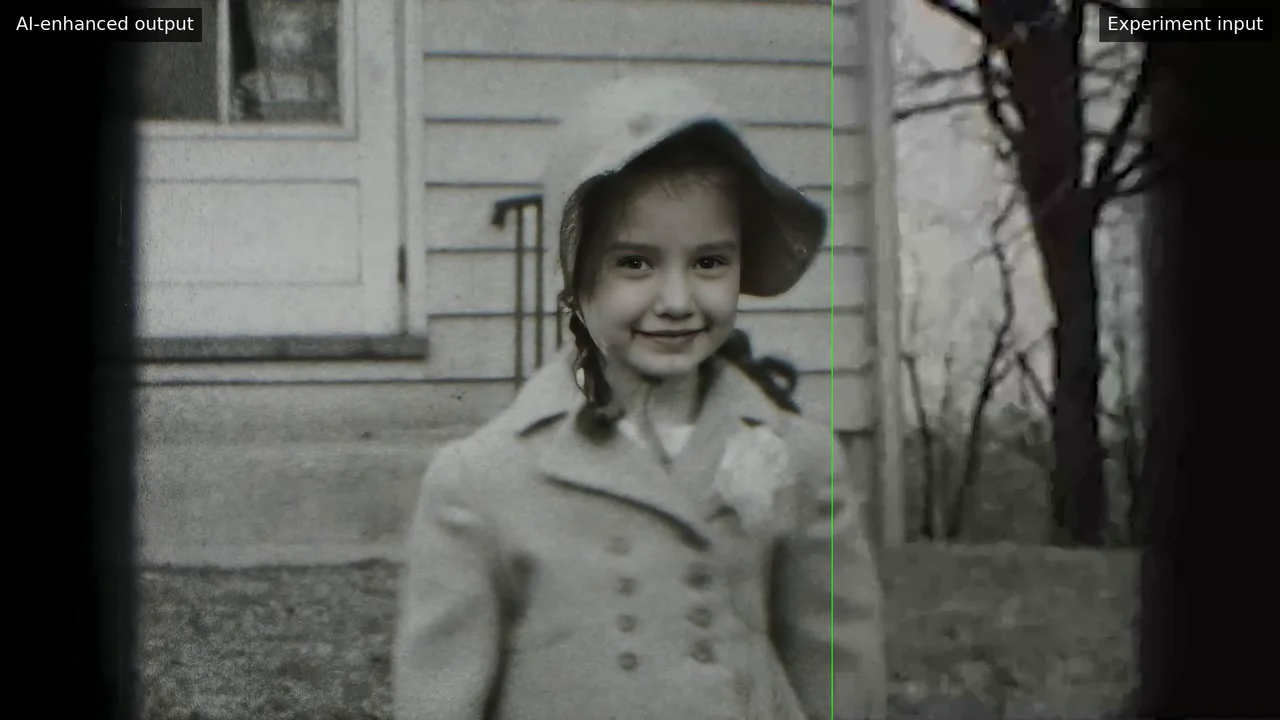
Watch face-restoration experiments on real home movies. Use the moving comparisons to talk about visible improvements, unstable features and the difference between a plausible face and historical evidence.

For AI conferences, film-restoration audiences, creative technology podcasts and ethics panels.

A child in a hat, showing the moving divider between experimental AI reconstruction and its input
A child in a hatHarrisburg, Pennsylvania · 1946*
A child in red, showing the moving divider between experimental AI reconstruction and its input
A child in redHoboken, New Jersey · 1966*
Newlyweds in motion, showing the moving divider between experimental AI reconstruction and its input
Newlyweds in motionDetroit, Michigan · 1950*
13 moving comparisons

Show the change.
Question the result.

  • How face reconstruction adds detail, and where that detail comes from.
  • Why a convincing still frame can fall apart during motion.
  • When an enhancement is useful, and how to keep the source and processing history visible.
  • How to try the GFPGAN workflow on an image or short video.
“When an AI model makes an old face clearer, whose face are we looking at?”A starting question for your talk or episode
Explore the AI restoration research ↗Open the tutorial & code ↗Real film as AI research material ↗Discuss this topic with Phil ↗

These are experimental derivatives, separate from Stockfilm’s production-licensing catalog. AI-generated facial detail is unverified; the historical model settings were not recorded. *Years and places follow the experiment filenames and await catalog confirmation. The comparison videos identify the AI and input sides.

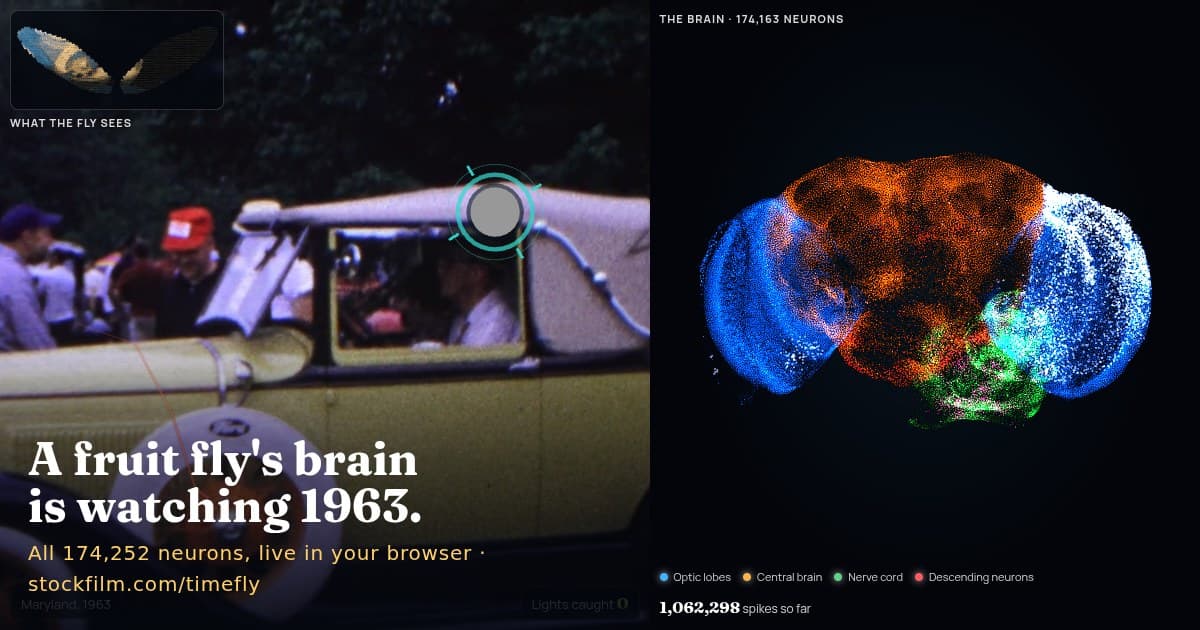
TimeFly: an archival home movie beside a visualization of a simulated fruit fly nervous system

03 / TimeFly · A live experiment

A fruit fly’s brain,
watching a home movie.

TimeFly puts real archival footage in front of a browser simulation built from a measured fruit fly wiring diagram. Watch neural activity as the simulated fly steers through the picture.

Talk about giving archives unexpected new uses, turning scientific data into an experience people can explore, and explaining what a simulation can tell us.

For science, creative coding and experimental media audiences.

An independent Stockfilm experiment using published wiring data. The simulation does not establish what a living fly perceives.

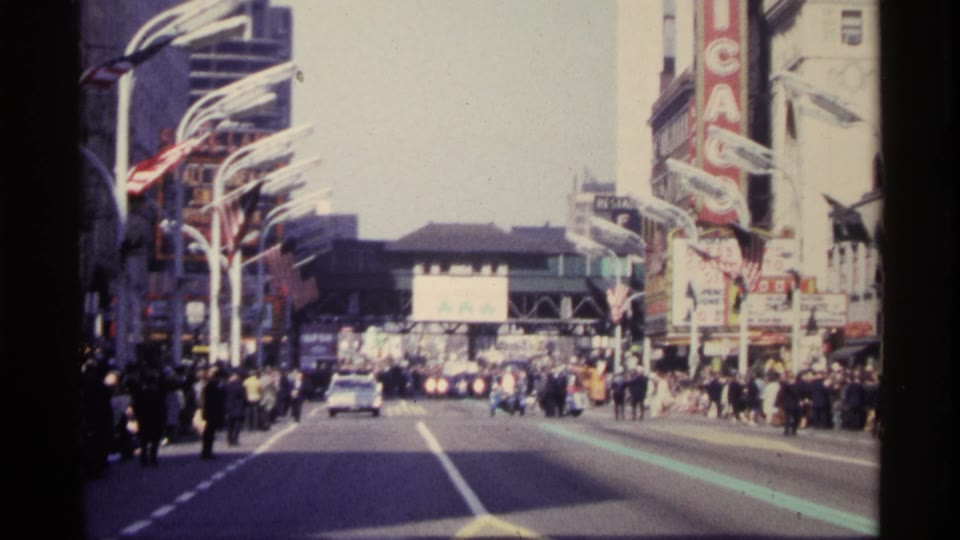
A busy street with a vertical CHICAGO sign in a home movie

04 / The Sounds We Lost · Working prototype

The image survived.
Imagine the sound.

An interactive archival sound work asks visitors to build a possible soundscape around real city footage. Change the listening distance and notice what you start to see.

Discuss sound as interpretation, the gaps in surviving records, and how to make an archive participatory without presenting invention as recovered history.

For museums, sound and arts programs, and documentary conversations.

The preview above has no sound. The project adds newly synthesized prototype sounds after you choose to listen. Chicago and 1968 are catalog estimates; this is an independent proposal, with no confirmed festival appearance.

What survives, by decadeSearchable Stockfilm clips by the decade they were shot. The 1960s hold the largest share at 41.9%.1930s: 7,867 searchable clips, 4.8% of the catalog1930s7,867 clips (4.8%)1940s: 10,573 searchable clips, 6.5% of the catalog1940s10,573 clips (6.5%)1950s: 34,294 searchable clips, 21.1% of the catalog1950s34,294 clips (21.1%)1960s: 68,156 searchable clips, 41.9% of the catalog1960s68,156 clips (41.9%)1970s: 32,001 searchable clips, 19.7% of the catalog1970s32,001 clips (19.7%)1980s: 7,554 searchable clips, 4.7% of the catalog1980s7,554 clips (4.7%)n = 162,603 searchable clips, snapshot 2026-07-15
Stockfilm Visual Memory Index · 2026 edition · See the data ↗

05 / Research · The Visual Memory Index

Who got filmed?
What went missing?

The Visual Memory Index looks at what survives in Stockfilm’s archive, what people search for, and where demand exceeds the surviving material. Published figures and downloadable data make the discussion inspectable.

Talk about the biases of a home-movie collection, the history outside the frame, and why a searchable archive still needs context.

For historians, researchers, journalists and cultural institutions.

This report describes one archive, rather than a representative sample of all twentieth-century life.

The Stockfilm source clip of nuns and boys used in the One Day at a Time opening titles

06 / On screen · A verified footage appearance

Six seconds of 1955.
A new life in opening titles.

A Chicago home movie appears in the opening title sequence of the 2017 Netflix series One Day at a Time. The source clip and frame-match evidence are available to explore.

Talk about choosing archival footage for a story, the details that make it feel lived in, and how a small family moment reaches a new audience.

For film, television, advertising and documentary audiences.

Licensed through Videoblocks, now Storyblocks, in December 2016. The verified appearance does not imply a direct Netflix partnership.

07 / Search, storytelling & AI tools

Find the scene
that makes the story real.

Turn a production idea into footage you can inspect. Explore visual search, project boards, the AI Clip Analyzer and Rough Cut Builder, then ask how you check the date, place and usage of what you find.

A practical conversation about searching a large archive, working with uncertain metadata, and using AI as an aid to a researcher’s judgment.

For editors, archival producers, students and creative teams.

08 / Preservation & the business of an archive

What does it take
to keep a century online?

Physical film, scanning, storage, cataloging, licensing and the promise to keep the work available. Phil can speak about the daily decisions behind an independent archive and Stockfilm’s published 100-year commitment.

Explore fixed-price licensing, separate datasets for AI research and evaluation, and the balance between preservation costs and making footage accessible to new creators.

For entrepreneurship, digital preservation and cultural heritage audiences.

For hosts & organizers

An introduction
you can use.

Use the bio for your episode notes or event program. The press kit has logos, archive facts and longer background; a print-quality photo is available on request.

Phil Maher, founder of Stockfilm

Phil Maher is the founder of Stockfilm, an archive of real 8mm and Super 8 home movies. He started the company in 2015 after discovering his grandfather’s films of Chicago, family milestones and road trips. He runs its sourcing, scanning, restoration, cataloging and licensing work, and builds projects that give old footage new uses: AI restoration experiments, the Visual Memory Index and TimeFly. His conversations connect personal memory, historical evidence and the practical work of keeping film available for the next generation.

Let’s talk

What would your
audience love to see?

Tell Phil about your show or event, who it’s for, your dates and the topic that caught your eye. Include the format, location or remote setup, and any budget or honorarium.