
Enterprise video strategy has reached an inflection point where production velocity conflicts with evidentiary standards. Marketing teams generate petabytes of content annually, yet each digital asset faces escalating skepticism regarding its temporal origin. When synthetic media can fabricate historical footage indistinguishable from authentic records, B2B organizations face a governance crisis: how do you document institutional history in a format that survives legal discovery and forensic audit?
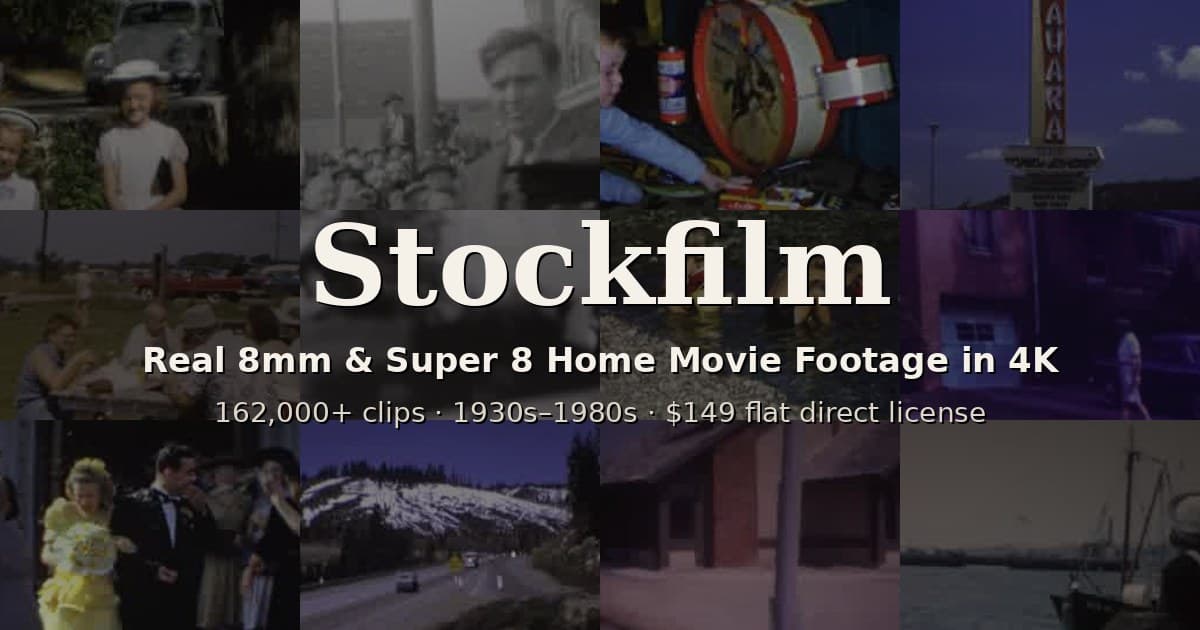
The emerging solution involves treating chemically-processed analog film not as aesthetic garnish, but as data infrastructure. Vintage 8mm and Super 8 footage provides material properties that function as "offline cold storage" for truth—physical verification layers that integrate with digital workflows while remaining immune to algorithmic manipulation.
The Governance Gap in Digital Archives
Modern enterprise content strategies bifurcate across organizational scale, yet both paradigms share a common vulnerability. Large enterprises with sophisticated broadcast capabilities face heightened regulatory scrutiny regarding ESG claims and historical accuracy. Mid-market firms, while producing less volume, lack the legal resources to defend against authenticity challenges during fundraising or acquisition due diligence.
Both scenarios require temporal provenance—verifiable evidence that visual records depict specific historical moments rather than retroactive fabrications. Digital metadata offers no protection here; EXIF data and blockchain timestamps record creation dates, not the dates of depicted events. This distinction proves critical when organizations must document facility histories, environmental baselines, or founder activities for compliance and investor scrutiny.
Chemically-processed 8mm footage fills this governance gap by offering material characteristics that serve as organic certificates of authenticity.
The Four Pillars of Chemical Verification
Unlike digital assets that rely on editable metadata and cryptographic hashes, analog film provides forensic markers that survive laboratory analysis and legal challenge:
- Molecular Dye Stratification: The layered color dyes in vintage stocks degrade along predictable chemical half-lives. Spectroscopic analysis can date film stock within specific manufacturing windows by measuring oxidation patterns and dye stability—creating a physical timestamp that predates digital manipulation capabilities and establishes manufacturing-era provenance.
- Optical Physics Signatures: Analog film captures light through photochemical reactions that record quantum noise, lens aberrations, and silver halide grain clumping unique to specific camera optics. These physical artifacts form mechanical fingerprints that AI statistical models cannot replicate without reverse-engineering actual photochemical processes and optical physics.
- Environmental Context Anchors: Background elements in uncontrolled 8mm footage—vehicle models, architectural details, fashion silhouettes, and natural lighting angles—provide third-party chronological verification. These incidental details create a web of external corroboration that anchors content to specific historical periods independent of digital timestamps.
- Material Handling Evidence: Physical film carries microscopic scratches, dust imprints, and gate-hair artifacts from cameras and projectors. These usage marks document the mechanical history of the medium, establishing a chain of physical custody and prior access that digital files inherently cannot possess.
These material properties transform archival footage from creative assets into evidentiary support, satisfying the documentation standards required for regulatory filings and due diligence processes.
Strategic Applications Across Enterprise Functions
Investor Relations and Audit Defense
Financial communications now face scrutiny regarding "greenwashing" and historical revisionism claims. When manufacturing firms document carbon-neutral progress or supply chain transformations, incorporating period-specific 8mm footage of historical operations provides comparative baseline data that withstands forensic examination. Unlike AI-generated recreations—which carry emerging disclosure requirements and reputational liability—chemically-processed footage functions as pre-digital evidence immune to authenticity challenges.
M&A Due Diligence and Cultural Asset Verification
During mergers and acquisitions, acquirers increasingly audit cultural assets and institutional history claims. Archival footage of early facilities, prototype demonstrations, or founder activities serves as tangible proof of intellectual property lineage and operational continuity. This verification proves particularly valuable in professional services and industrial sectors where heritage directly correlates with brand equity and client trust.
Internal Communications and Knowledge Transfer
Organizations navigating generational leadership transitions use period-specific footage to demonstrate operational evolution without the "uncanny valley" of synthetic historical reconstructions. Engineering and technical teams benefit from authentic documentation of predecessor methodologies, creating continuity in institutional knowledge transfer that AI-generated training content cannot replicate.
B2B Marketing and Trust Architecture
In procurement decisions, vendor stability and historical reliability influence purchasing committees. Embedding authentic archival sequences into capabilities documentation and conference presentations signals material substance and operational longevity. The organic imperfections of chemically-processed film—grain structure, color shifts, and optical characteristics—operate as trust signals distinct from synthetic content saturating consumer marketing channels.
Technical Integration with Modern Workflows
Contemporary archival licensing involves high-resolution scanning (4K and above) that produces masters compatible with professional broadcast switchers, non-linear editing systems, and streaming infrastructure. This technical compatibility allows enterprise teams to deploy chemically-verified content within modern pipelines without production value compromise.
The integration workflow follows three stages: physical inspection and chemical verification of original stock; professional 4K/6K scanning with preservation of organic grain structure; and color-grading for brand consistency before insertion into motion graphics environments and live broadcast switchers. The resulting assets maintain evidentiary properties while meeting technical specifications for investor presentations and trade show displays.
FAQ
How does physical film provide legal protections unavailable to digital archives?
Chemically-processed film possesses material characteristics—dye layer composition, grain structure, and optical decay patterns—that function as organic watermarks verifiable through laboratory analysis. In legal disputes regarding historical accuracy or misrepresentation claims, these physical properties provide evidentiary weight that digital metadata (easily altered) and AI-generated content (legally require disclosure) cannot match. Courts recognize material artifacts as distinct from digital files in authentication standards.
Can 8mm sources satisfy modern 4K broadcast and streaming requirements?
Yes. Professional archival scanning extracts 4K and 6K resolution from 8mm and Super 8 sources, producing digital masters that integrate with contemporary broadcast workflows. The organic grain structure of properly scanned film often provides superior image texture and dynamic range compared to digitally-shot content, particularly in large-format presentation environments common in shareholder meetings and industry conferences.
Why can't AI-generated "period footage" serve equivalent verification functions?
Generative AI creates statistical approximations of visual patterns rather than physical records of light. Synthetic vintage footage lacks the specific photochemical artifacts, quantum noise patterns, and incidental environmental details that anchor authentic footage to temporal moments. Additionally, AI content carries emerging regulatory disclosure requirements and reputational risks if discovered, whereas chemically-processed footage provides verifiable provenance that strengthens rather than compromises institutional credibility.
Conclusion
As enterprise video production scales to meet 2026 communication demands, authentication infrastructure requires equal prioritization with production volume. The convergence of synthetic media capabilities and professional broadcast standards has created a specific enterprise requirement: content that maintains technical compatibility with modern workflows while possessing material immunity to digital forgery.
For B2B organizations, this necessitates reconceptualizing analog archival footage as corporate infrastructure rather than historical illustration. Chemically-processed 8mm assets—properly verified, scanned, and integrated—function as non-repudiable documentation in an environment where digital trust is increasingly fragile. In enterprise risk management calculations, authentic archival film has transitioned from creative preference to governance necessity.